

What is known:
It has been shown earlier that decreasing the expression/activity of mTOR increases overall mammalian lifespan, suggesting that mTOR inhibitors may function as “longevity promoters.” I have published recently that Ferulic acid promotes cardiomyocyte survival and prevents myocardial ageing and infarction via up regulation of PNUTS
From research findings to therapeutic opportunity:
This study suggests that Ferulic acid, by suppressing the expression of mTOR, it may: (i) increase autophagic flux; (ii) decrease reactive oxygen species; and (iii) increase the lifespan of an individual.

Fig.1 Maize bran. Ferulic acid is abundantly found in refined maize bran (2610-3300 mg/100g).

Fig.2 Rice bran. Ferulic acid, enriched in soft and hard rice bran (1351-1456 mg/100g).
Together, this study suggests that pharmacological formulations encompassing “Ferulic acid or its analogues” may function as longevity promoters (Figs. 1 -3)
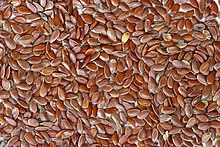
Figure 3. Flax seeds. Ferulic acid, enriched in flax seeds, promotes Cardiomyocyte survival, protects against myocardial infarction, and extends mammalian life span via up-regulation and down- regulation of PNUTS and mTOR, respectively

Details of the research findings:
Idea Proposed/Formulated (with experimental evidence) by:
Dr L Boominathan Ph.D.
Terms & Conditions apply http://genomediscovery.org/registration/terms-and-conditions/
Amount: $50
Undisclosed mechanistic information: How Ferulic acid decreases and increases MTOR and PNUTs expression, respectively.
For purchase and payment details, you may reach us at admin@genomediscovery.org
# Research cooperation
References:
Web: http://genomediscovery.org or http://newbioideas.com
Citation: Boominathan, L., Natural product Life-span extension therapy: Ferulic acid, found abundantly in the flax seeds, refined maize bran and soft and hard rice bran among others, may increase life span by suppressing mTOR pathway, 2/December/2016, 11.26 pm, Genome-2-Bio-Medicine Discovery center (GBMD), http://genomediscovery.org
Courtesy: When you cite drop us a line at info@genomediscovery.org