

National Science day special
*********
We wish everyone a very happy National Science day. On this special occasion, we are happy to announce that Bio-Med ideas posted today (28/February/2017) will be available to the use of Scientists/Professors/Teachers/Physicians/Researchers for free. So, there will be no terms and conditions for the ideas posted today (28/February/2017). Each idea posted will be served first come, first served basis.Write to info@genomediscovery.org for more details.
Dr L Boominathan PhD
President & CSO, GBMD.
************************************************************************************
From Significance of the study to Public health relevance:
Given that: (i) each year nearly 14 million people are diagnosed with cancer globally, and little more than half of them will die; (ii) cancer deaths globally are expected to be doubled by 2030; (iii) cancer treatment causes the highest economic loss compared to all the known causes of death worldwide, there is an urgent need to find: (i) a way to prevent an individual from being susceptible to cancer by strengthening his/her own immune system (Cancer immunotherapy); (ii) a cheaper alternative to the existing expensive anticancer drugs; (ii) a side-effect-free natural product-based drug; (iii) increase the therapeutic index of anticancer drugs; and (iv) a way to effectively treat and prevent metastatic progression and relapse of advanced/drug-resistant cancers.
Research findings to Therapeutic opportunity:
A number of studies suggest that Hyperoside functions as an anticancer agent. However, the mechanism of action is far from clear.
This study suggests that Hyperoside, by decreasing the expression of its target genes, it may increase the expression of apoptotic inducer PDCD4 (figs. 1-4).

Fig 1. Drosera rotundifolia. Hyperoside, isolated from Drosera rotundifolia, functions as an anti-cancer/metastasis agent
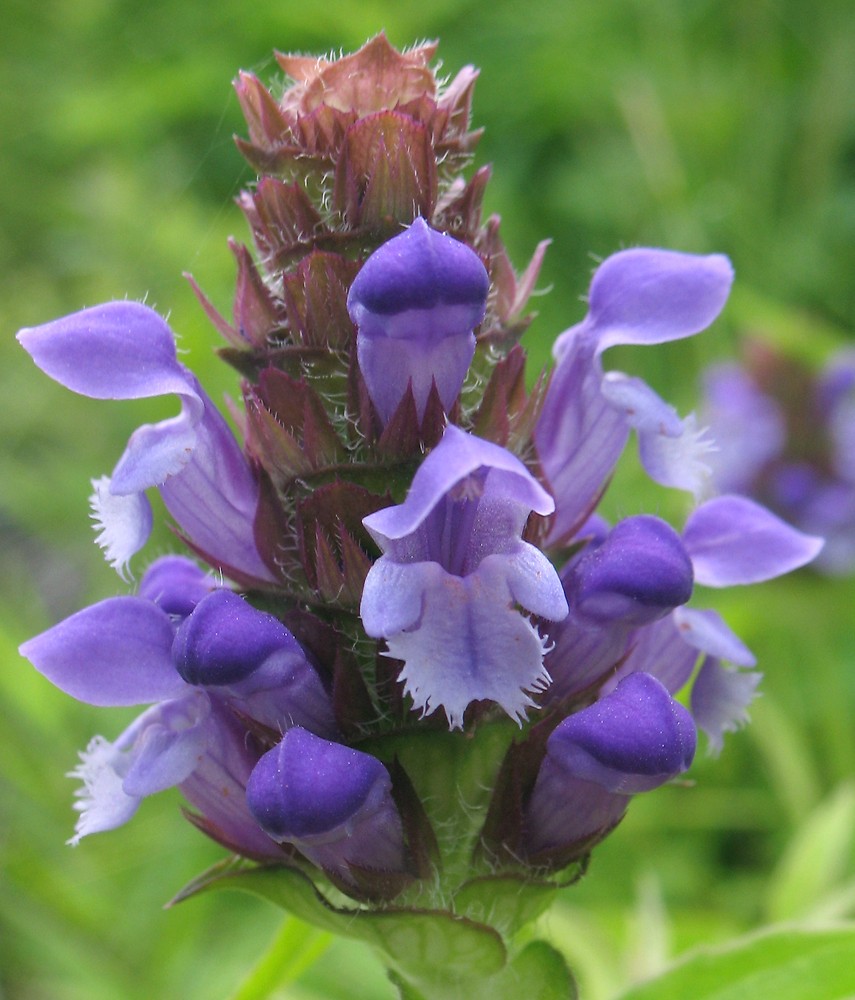
Fig.2 Hyperoside, also found in Prunella vulgaris /Common self-heal, functions as an anticancer agent by increasing the expression of PDCD4 and sensitizing the cancer cells to apoptosis
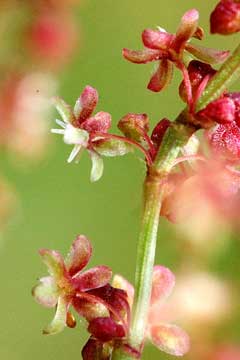
Fig 3. Hyperoside is also found in Rumex acetosella

Fig4. The chemical structure of Hyperoside
Thereby, it may inhibit migration, invasion and metastasis of cancer cells. Thus, pharmacological formulations encompassing “Hyperoside or its analogues either alone or in combination with other anticancer drugs” may be used to inhibit the progression of invasive tumors.
Details of the research findings:
Idea Proposed/Formulated (with experimental evidence) by:
Dr L Boominathan Ph.D.
Undisclosed mechanistic information: How Hyperoside increases the expression of apoptotic inducer PDCD4
References:
Citation: Boominathan, L., Natural product-based therapy for Metastatic cancers: Hyperoside, isolated from Drosera rotundifolia, and Common self-heal, among others, increases the expression of PDCD4, sensitize cancer cells to apoptosis, and inhibits migration, invasion and metastasis of cancer cells via down regulation of its target gene, 28/February/2017, 8.47 am, Genome-2-Bio-Medicine Discovery center (GBMD), http://genomediscovery.org
Web: http://genomediscovery.org or newbioideas.com/
Courtesy: When you cite drop us a line at info@genomediscovery.org